Call 24 Hrs | Live Agents
(281) 990-3043

What Is the Difference Between Power Washing and Pressure Washing?
By admin | Last Updated: February 27, 2026
If you have ever looked at a grimy driveway or a moss-covered patio and wondered what the difference between power washing and pressure washing is, you are certainly not alone. Most homeowners use these terms interchangeably, but in the world of professional exterior maintenance, that one-word difference, “power,” changes everything. Choosing the wrong method for your property is not just a matter of efficiency; it is a matter of protecting your surfaces from permanent damage.
At Klein Pressure Washing, we believe that educated homeowners make the best decisions for their property. While both methods utilize high-pressure water systems to blast away stubborn debris, the secret ingredient in power washing is heat. Understanding how temperature and pressure work together is the first step in ensuring your home or business receives the most effective surface washing possible, including understanding the average time for pressure washing.
Power washing vs. pressure washing explained
The most straightforward way to look at this comparison is through the lens of temperature. Both techniques use a power cleaner or specialized pump to accelerate water through a nozzle at high speeds. This mechanical force is designed to shear away dirt, algae, and salt deposits from various outdoor materials.
However, the defining characteristic of a power wash is the use of heated water cleaning. A power washer includes a heating element, similar to a water heater, that brings the water to a high temperature before it hits the surface. Standard pressure washing, on the other hand, uses whatever water temperature is coming out of the tap. While both are considered exterior cleaning techniques, the addition of thermal energy makes power washing a much more aggressive option for specific types of buildup.
Heat vs. cold water cleaning
Why does heat matter so much? Think about washing greasy dishes in a sink; cold water just moves the grease around, while hot water melts it away. The same logic applies to your exterior surfaces.
- Heated Water Cleaning: This is the heavy-duty version of surface washing. The heat helps to break down organic matter, kill mold spores on contact, and liquefy oils or grease that have bonded to concrete.
- Cold Water Pressure Washing: This relies strictly on the kinetic energy of the water. It is incredibly effective for removing loose dirt, dust, and cobwebs. When combined with professional-grade soaps and chemicals, it is the preferred method for most residential power washing tasks because it is gentler on delicate materials.
Using surface-safe washing methods means knowing when the extra kick of heat is necessary and when it is an unnecessary risk, especially for Gas and Convenience in Spring Tx, Hotels Washing in Spring Tx where surface care and cleanliness standards are critical.
Best surfaces for power washing
Because power washing is so intense, it is not a one-size-fits-all solution. It is primarily reserved for hard, durable surfaces that can withstand both high PSI (pounds per square inch) and high temperatures.
- Concrete Driveways and Sidewalks: This is where power washing shines. It can pull deep-seated oil stains out of the pores of the concrete.
- Commercial Properties: Parking garages and loading docks often accumulate heavy grease and grime that only heat can lift.
- Large-Scale Projects: When dealing with massive square footage, the efficiency of heat allows the technician to work faster without sacrificing quality.
- Removing Gum: If you have ever seen a sidewalk covered in black spots from discarded chewing gum, power washing is the only way to melt that adhesive off the ground.
When to use pressure washing
For the vast majority of residential power washing needs, standard pressure washing using cold water and specialized soaps is the superior choice. It provides a deep wash without the risk of warping or melting sensitive materials.
- Wood Decks and Fencing: High heat can actually cook the fibers of the wood, leading to splintering or permanent scarring.
- Vinyl Siding: Excessive heat can cause vinyl to warp or buckle, which is why cold water surface washing is the industry standard for house washes.
- Brick and Stone: While durable, the mortar between bricks can be sensitive to extreme thermal shifts. A cold water wash keeps the structural integrity intact.
- Painted Surfaces: If you want to keep the paint on your porch, avoid the heat.
Pros and cons of each method
To help you decide which path to take, here is a quick breakdown of the commercial vs. residential washing considerations:
| Method | Pros | Cons |
| Power Washing | Best for grease, oil, and gum; kills weeds and moss; highly efficient for large concrete areas. | Can damage wood, plastic, and thin masonry; more expensive equipment; higher risk of injury. |
| Pressure Washing | Surface-safe for most home materials; effective for general dirt/algae; lower risk of material damage. | Requires more chemical dwell time for grease; less effective at melting stubborn oil stains. |
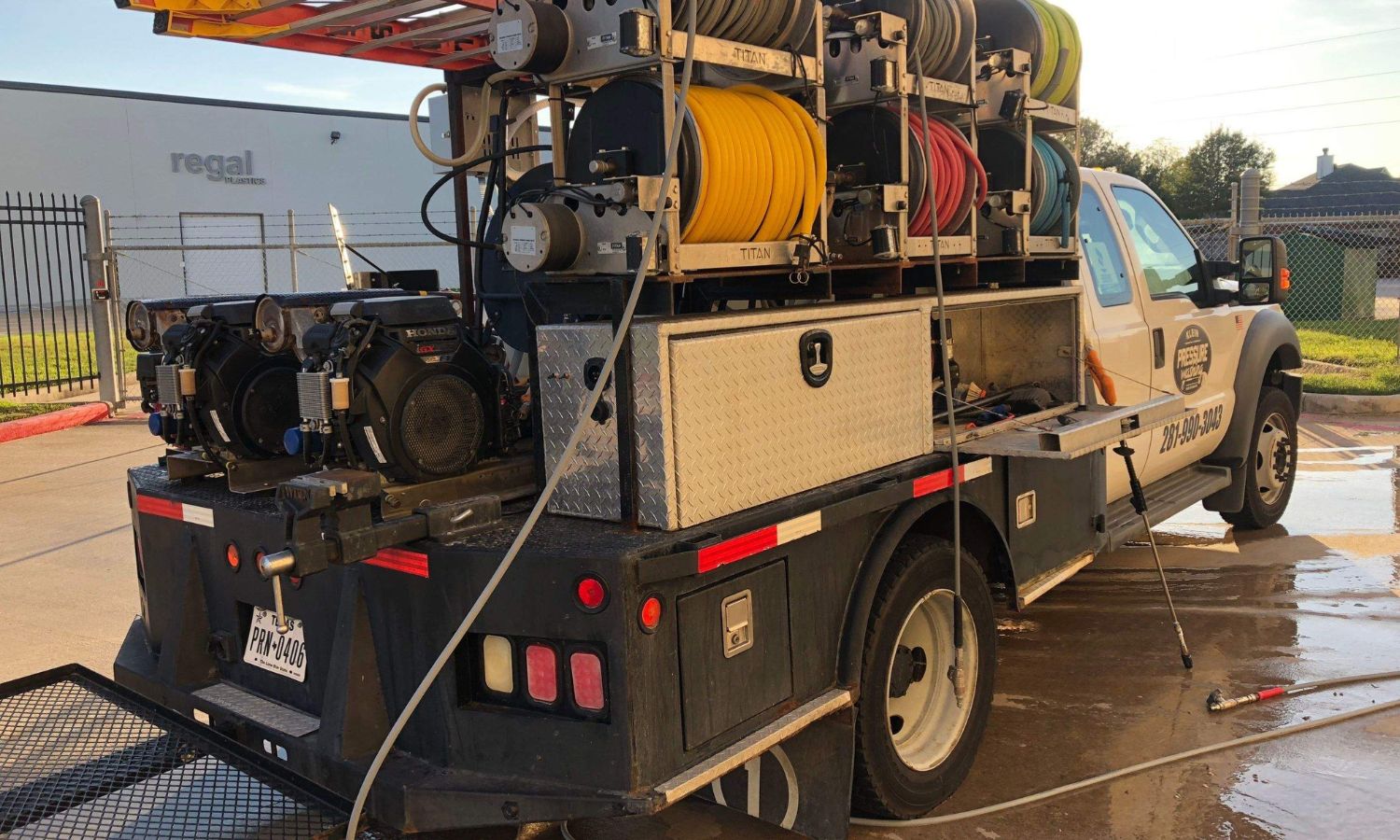
At Klein Pressure Washing, we utilize professional high-pressure water systems and eco-friendly surfactants to ensure that whether we use heat or cold water, your property is left spotless and undamaged.
FAQ
1. What is the main difference between power washing and pressure washing?
The primary difference is the temperature of the water. Power washing uses a heating element to create a hot water stream, while pressure washing uses cold or room temperature water. Both use high-pressure nozzles to wash surfaces.
2. When should power washing be used instead of pressure washing?
Power washing should be used for heavy-duty commercial tasks, such as removing oil stains from driveways, clearing chewing gum from sidewalks, or handling large-scale industrial grease. It is the best choice for highly durable surfaces like concrete.
3. Is power washing more effective for tough stains?
Yes, particularly for organic stains like moss and lichen or petroleum-based stains like oil and grease. The heat helps break the molecular bond between the stain and the surface more effectively than cold water alone.
4. Can power washing damage surfaces more easily?
Yes, the combination of high pressure and high heat can be destructive if used by an untrained individual. It can warp siding, splinter wood, and degrade certain types of stone, which is why professional expertise is essential.
5. Which method is best for residential cleaning?
For most homes, pressure washing, often called a soft wash when combined with soaps, is the best method. It safely washes siding, decks, and patios without the risks associated with extreme heat.
Conclusion
Understanding the nuances of exterior maintenance is key to preserving your property’s value. Whether you need the heavy-duty grease-fighting power of a heated system or the precision of a standard pressure wash, the choice impacts the longevity of your surfaces. Attempting a DIY approach without knowing these differences can lead to expensive repairs and lackluster results.
If you are looking for power washing near me and want the job done right, the experts at Klein Pressure Washing are here to help. We provide top-tier, surface-safe washing for both residential and commercial clients across the USA. Don’t leave your home’s curb appeal to chance. Contact us today for a professional consultation. Our team will help you determine exactly what the difference is between power washing and pressure washing for your specific project needs.
Read Similar: How Long to Wait to Seal Concrete After Pressure Washing?
Share this Post