Call 24 Hrs | Live Agents
(281) 990-3043
How Long to Wait to Seal Concrete After Pressure Washing?
By admin | Last Updated: February 27, 2026
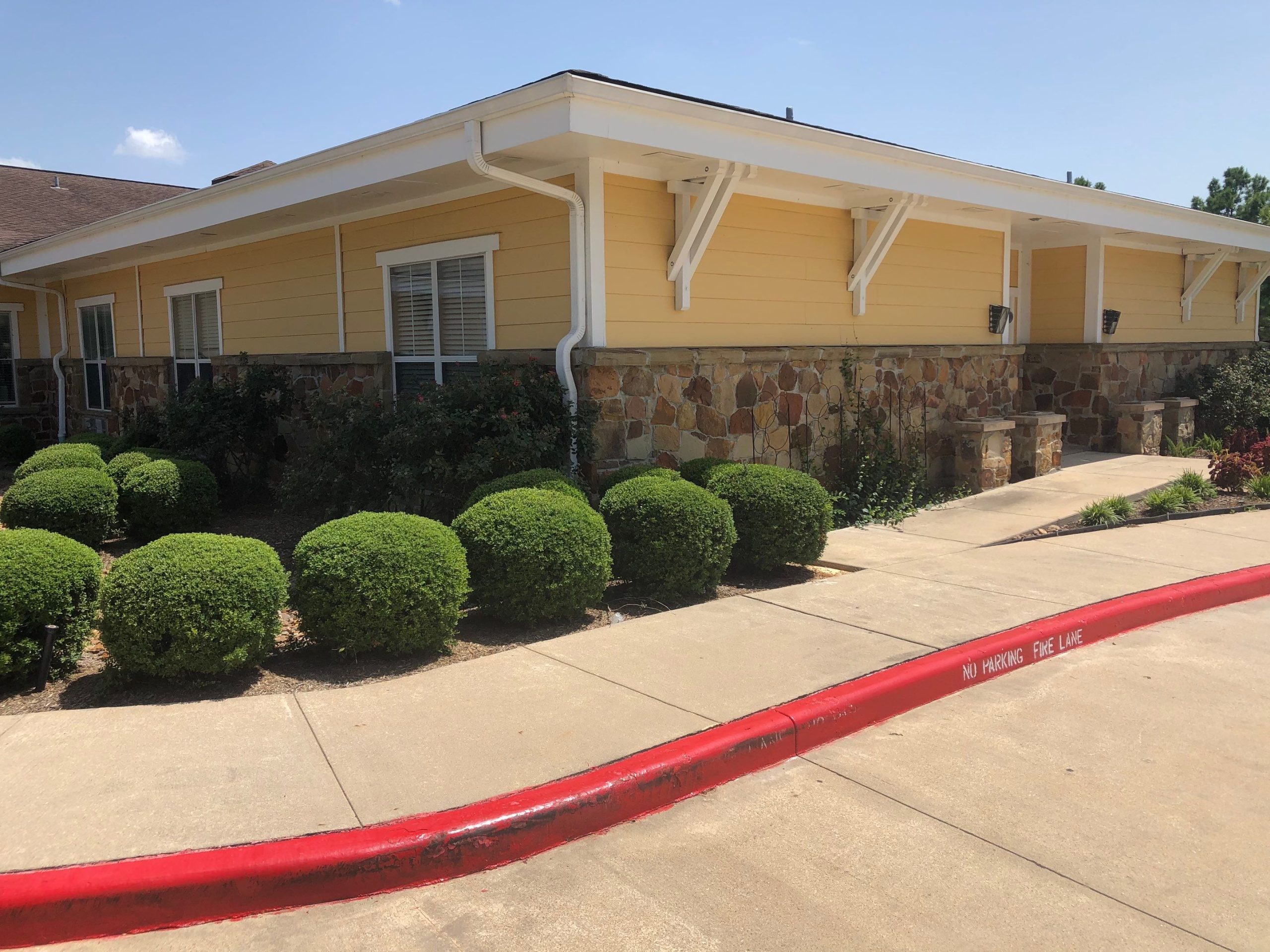
So, you’ve just finished a professional surface washing for your driveway or patio, and the results are night and day. You’re likely eager to lock in that revitalized look with a high-quality sealer. But before you reach for the applicator, there is one critical question to answer: how long to wait to seal concrete after pressure washing? Moving too fast is the most common mistake homeowners make. If you seal the slab while moisture is still trapped inside the pores, you are essentially sealing in a future headache of cloudy patches and peeling.
At Klein Pressure Washing, we know that a successful project depends as much on the preparation as it does on the wash itself. To get professional-grade results that last for years, patience is your most valuable tool, whether it’s residential surfaces or larger jobs like Apartment Complex Washing in Spring Tx, Strip Mall Washing in Spring Tx.
Ideal drying time after pressure washing concrete
For most exterior projects in the United States, the gold standard for drying time is 24 to 48 hours. While the surface might look and feel dry to the touch within a few hours of the wash, concrete is incredibly porous—much like a hard, dense sponge.
Even if the top layer appears bone-dry, the interior capillaries of the slab can still hold significant water. Using a professional-grade pressure washer concrete cleaner effectively lifts deep-set grime, but it also saturates the material. We generally recommend waiting the full 48 hours to ensure total moisture evaporation from concrete. Sealing too early can trap water vapor under the sealer film, leading to a “whitening” effect where the product fails to bond correctly with the surface.
Factors affecting concrete drying before sealing
Not every slab dries at the same speed. Several environmental variables will dictate whether you can start sealing the next day or if you need to extend your timeline:
- Sun Exposure: A driveway in direct sunlight will dry significantly faster than a walkway shaded by a porch or heavy tree canopy.
- Concrete Porosity: Older concrete or “open” finishes absorb more water during the washing process and require longer to release that moisture.
- Airflow: Stronger winds act as a natural dehydrator for the slab, while stagnant, heavy air slows the process down.
- Drainage: If your patio has low spots where water tended to pool during the wash, those areas will need extra time to breathe.
Weather conditions and sealing timeline
Local climate plays a massive role in your concrete surface preparation. If you are operating in a region with high humidity, the timeline for moisture evaporation from concrete can stretch beyond the standard two-day window.
- Humidity Impact: In humidity levels above 70%, we strongly suggest waiting at least 48 to 72 hours.
- Temperature: Ideally, you want a window where temperatures stay between 50°F and 90°F. Extreme heat can cause the sealer to “flash dry” and bubble, while cold prevents it from curing.
- Rain Forecast: Always check the 24-hour forecast after your planned sealing time. The sealer needs a dry window to set before it is exposed to rainfall.
Signs concrete is ready for sealing
Don’t leave the success of your sealing concrete driveway project to guesswork. Look for these specific indicators that the slab is ready:
- Uniform Color: The concrete should be a consistent, light grey across the entire surface. Darker patches or damp-looking spots mean there is still water inside.
- The “Tape Test”: Tape a 2’x2′ piece of clear plastic wrap to the concrete, sealing all edges with duct tape. After 24 hours, check for condensation under the plastic. If it’s damp, the concrete isn’t ready.
- Surface Texture: The surface should feel bone-dry and slightly chalky, rather than cool or “clammy” to the touch.
Mistakes to avoid when sealing concrete
When homeowners rush the post pressure washing care phase, they often encounter issues that are difficult to reverse. Avoid these common pitfalls:
- Using the Wrong Sealer: Ensure you select a product compatible with your specific needs, such as a concrete cure and seal for newer surfaces or a high-solids siloxane for older driveways.
- Over-application: More is not better. Applying sealer too thick can lead to puddling and a dangerously slick surface when wet.
- Ignoring the Joints: Moisture often hides in expansion joints long after the main surface is dry. Ensure these gaps are completely clear and dry before proceeding.
FAQ
1. How long should concrete dry before sealing?
Ideally, you should wait 24 to 48 hours after a thorough pressure wash. This window allows the moisture trapped deep within the pores to evaporate fully, ensuring a strong bond for the sealer.
2. Why is drying time important before sealing concrete?
Drying time is critical because any trapped water will turn into vapor. This vapor can cause the sealer to turn white (blushing), bubble, or peel away, ruining the concrete sealer before and after aesthetic.
3. Does weather affect concrete sealing time after washing?
Absolutely. High humidity, shade, and low temperatures all extend the necessary drying time. Conversely, a sunny, breezy day can help the concrete reach the necessary dryness level faster.
4. Can sealing too early damage concrete?
While it doesn’t usually cause structural damage, it ruins the protective layer. If the sealer fails due to moisture, it won’t protect the concrete from salt, oil, or UV damage, and the failed sealer will eventually have to be stripped.
5. How can you tell concrete is ready for sealing?
The concrete is ready when it is a uniform light color with no dark spots. For the most accurate result, use the “plastic tape test” to see if any hidden moisture rises to the surface over 24 hours.
Conclusion
Achieving a flawless, long-lasting finish on your concrete comes down to respecting the science of evaporation. By allowing for the proper ideal drying time after pressure washing concrete, you protect your home’s curb appeal and save yourself from the headache of a failed application.
If you want the peace of mind that comes with professional results, the team at Klein Pressure Washing is ready to assist. We specialize in expert surface washing and high-performance sealing tailored to your property’s specific needs. Don’t risk a cloudy finish—trust the experts to handle your post pressure washing care. Contact Us today for a free estimate and let Klein Pressure Washing help you protect your investment. The key to a perfect result is knowing exactly how long to wait to seal concrete after pressure washing.
Read Similar: What Is the Difference Between Power Washing and Pressure Washing?
Share this Post






