Call 24 Hrs | Live Agents
(281) 990-3043


What Is House Washing? Explained
By admin | Last Updated: February 27, 2026
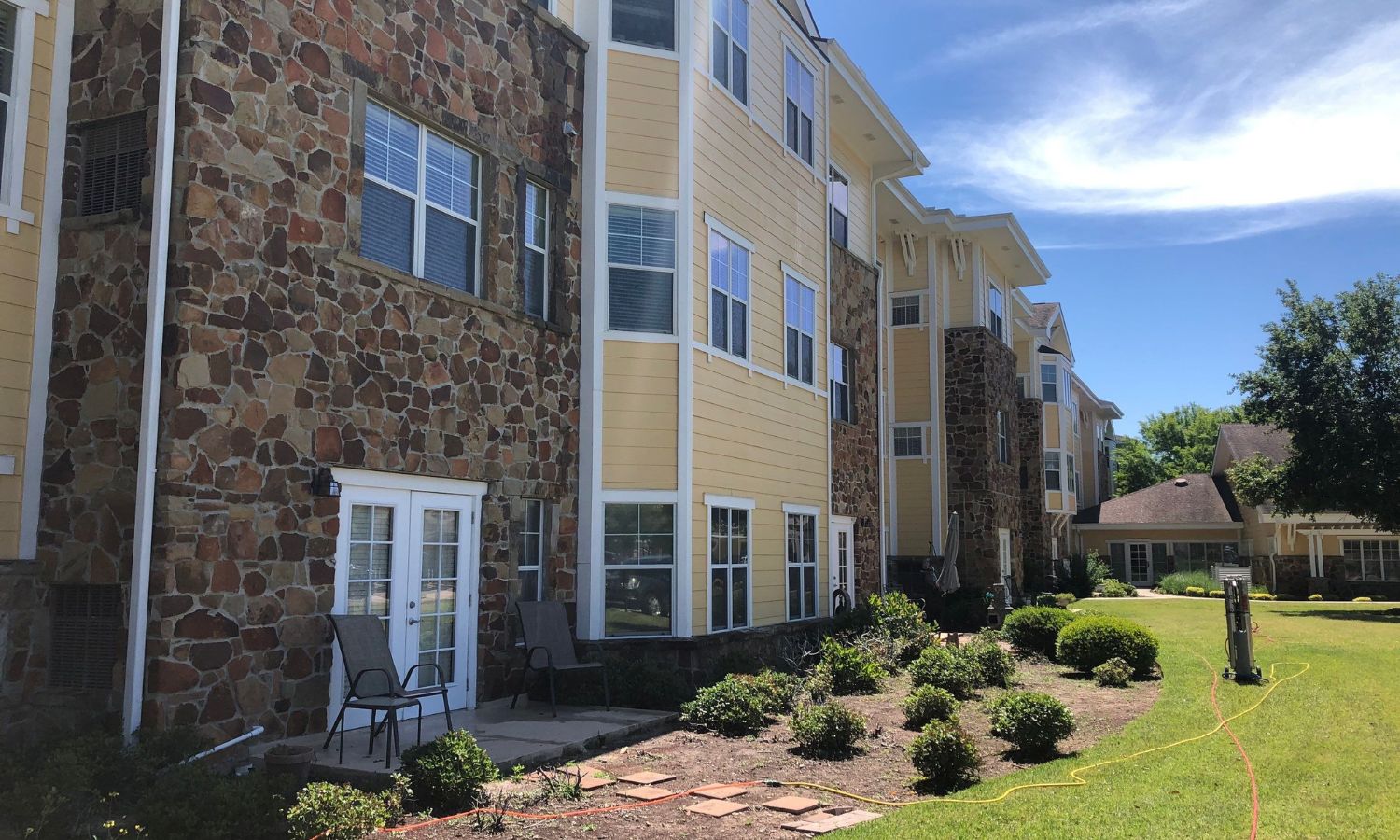
Understanding what house washing is, explained simply is the process of removing contaminants from the exterior of a residential structure to ensure its longevity and aesthetic appeal. Many homeowners in the USA mistake this essential maintenance for a simple rinse, yet it is a sophisticated method of exterior surface cleaning that targets biological growth and environmental pollutants. By utilizing specialized equipment and eco-friendly cleaning agents, a professional house washing service can transform a weathered property into a pristine home while preventing the premature degradation of building materials. This process is especially important when preparing surfaces, such as during pressure washing before painting house, to ensure proper paint adhesion and a long-lasting finishespecially for homeowners seeking House Washing in Spring Tx, House Washing in Tomball Tx.
At Klein Pressure Washing, we recognize that your home is your largest investment. Regular maintenance is not just about looks; it is a critical component of a proactive home maintenance routine. Without a proper cleaning strategy, substances like mold and mildew can eat away at your paint and siding, leading to thousands of dollars in avoidable repairs.
What does house washing include?
A comprehensive house washing service goes far beyond spraying water at the walls. It is a top-to-bottom decontamination of the vertical surfaces of your home. This typically starts at the gutters and works down to the foundation, ensuring that every square inch is treated.
- Algae and Mildew Removal: Professionals use specific detergents to kill organic spores rather than just moving them around.
- Cobweb and Pest Debris Clearance: Removal of unsightly webs, wasp nests, and egg sacs from eaves and corners.
- Pollutant Extraction: Ridding the siding of industrial fallout, vehicle exhaust soot, and acid rain deposits.
- Oxidation Treatment: Addressing the chalky residue that often forms on vinyl or metal siding over time.
- Window Trim and Door Frame Detailing: Ensuring the delicate areas around openings are clean and free of grit.
Difference between house pressure washing and house cleaning
While the terms are often used interchangeably, there is a massive technical distinction between a high-pressure pressure wash house approach and modern house cleaning. High pressure is excellent for dense, hard surfaces like concrete driveways, but it is often too aggressive for a residential structure.
Most reputable companies now utilize soft wash systems. Soft washing relies on high-volume water flow and specialized chemical solutions rather than high PSI. This ensures that the cleaning agents do the heavy lifting, breaking down dirt and grime at the molecular level. A traditional pressure washing house method can actually force water behind siding panels, trap moisture in wall cavities, and cause wood rot. In contrast, soft washing provides a deeper clean that lasts longer because it kills the root system of organic growth.
How often should you wash your house?
For the average American home, a professional cleaning should be scheduled once every 12 to 18 months. This frequency ensures that algae and mildew removal happens before the growth becomes visible to the naked eye or causes permanent staining.
Certain factors may require a more frequent home maintenance routine:
- High Humidity: Homes in coastal or humid regions see faster organic growth.
- Heavy Foliage: Properties surrounded by trees are more prone to pollen buildup and mold.
- Dirt Roads: Proximity to construction or unpaved roads leads to rapid dust accumulation.
- Weather Events: After heavy storms or seasons with high wind, a rinse is often necessary to remove salt or debris.
Is house washing safe for siding?
Yes, provided the technician utilizes the correct methods. Siding preservation is the primary goal of any professional exterior cleaner. When using soft wash systems, the pressure applied is no stronger than that of a garden hose with a specialized nozzle.
This low-pressure approach is safe for:
- Vinyl Siding: Prevents cracking and prevents water from being forced behind the “weep holes.”
- Stucco and Dryvit: These porous surfaces can be easily scarred by high pressure but respond beautifully to soft washing.
- Hardie Board and Fiber Cement: Protects the paint finish while removing surface chalking.
- Wood and Cedar Shake: Gently cleans without “furring” the wood fibers or stripping the stain.
Benefits of professional house washing
Investing in a professional service provides immediate and long-term advantages that outweigh the cost of the service itself.
Curb Appeal Improvement
The most immediate benefit is a striking curb appeal improvement. A clean house looks newer, brighter, and more inviting. If you are planning to sell your home, a professional wash can often increase the perceived value and lead to faster offers.
Health and Safety
Removing mold and pollen from the exterior of your home reduces the number of allergens that can find their way inside. This creates a healthier environment for your family, especially those with respiratory sensitivities.
Cost Savings
By prioritizing siding preservation, you extend the life of your paint and materials. It is far more affordable to wash a house annually than it is to repaint or replace siding every five years due to neglect.
If you are ready to restore your home to its original beauty, contact us to speak with a specialist.
FAQ Section
1. What does professional house washing include?
Professional house washing includes the application of specialized cleaning solutions to kill organic growth, followed by a low-pressure rinse of all siding, eaves, and trim.
2. How is house washing different from pressure washing?
House washing typically uses soft washing (low pressure) to protect delicate surfaces, whereas traditional pressure washing uses high force that is better suited for concrete.
3. Why is house washing important for home maintenance?
It prevents permanent staining, protects the integrity of your siding, and stops organic growth from causing rot or structural damage.
4. How often should a house be washed?
Most experts recommend a professional cleaning at least once a year to maintain the appearance and health of the exterior surfaces.
5. Is house washing safe for all exterior surfaces?
When performed by a professional using soft wash techniques, it is safe for vinyl, brick, stucco, wood, and composite materials.
Conclusion
Maintaining a clean exterior is a foundational aspect of homeownership that offers both aesthetic and structural rewards. From siding preservation to significant curb appeal improvement, the advantages of a dedicated cleaning schedule are undeniable. By moving away from high-pressure methods and embracing professional soft wash systems, you ensure your property remains protected against the elements and biological growth. Regular exterior surface cleaning is the most cost-effective way to keep your home looking its best while avoiding expensive renovations. Trusting the experts to handle these delicate tasks ensures that the job is done safely and thoroughly. Now that you have seen what house washing is explained, you can make an informed decision for your property.
Read Similar: What Psi Is Good for Pressure Washing a House?
Share this Post