Call 24 Hrs | Live Agents
(281) 990-3043
How Long After Pressure Washing Can You Paint?
By admin | Last Updated: February 27, 2026
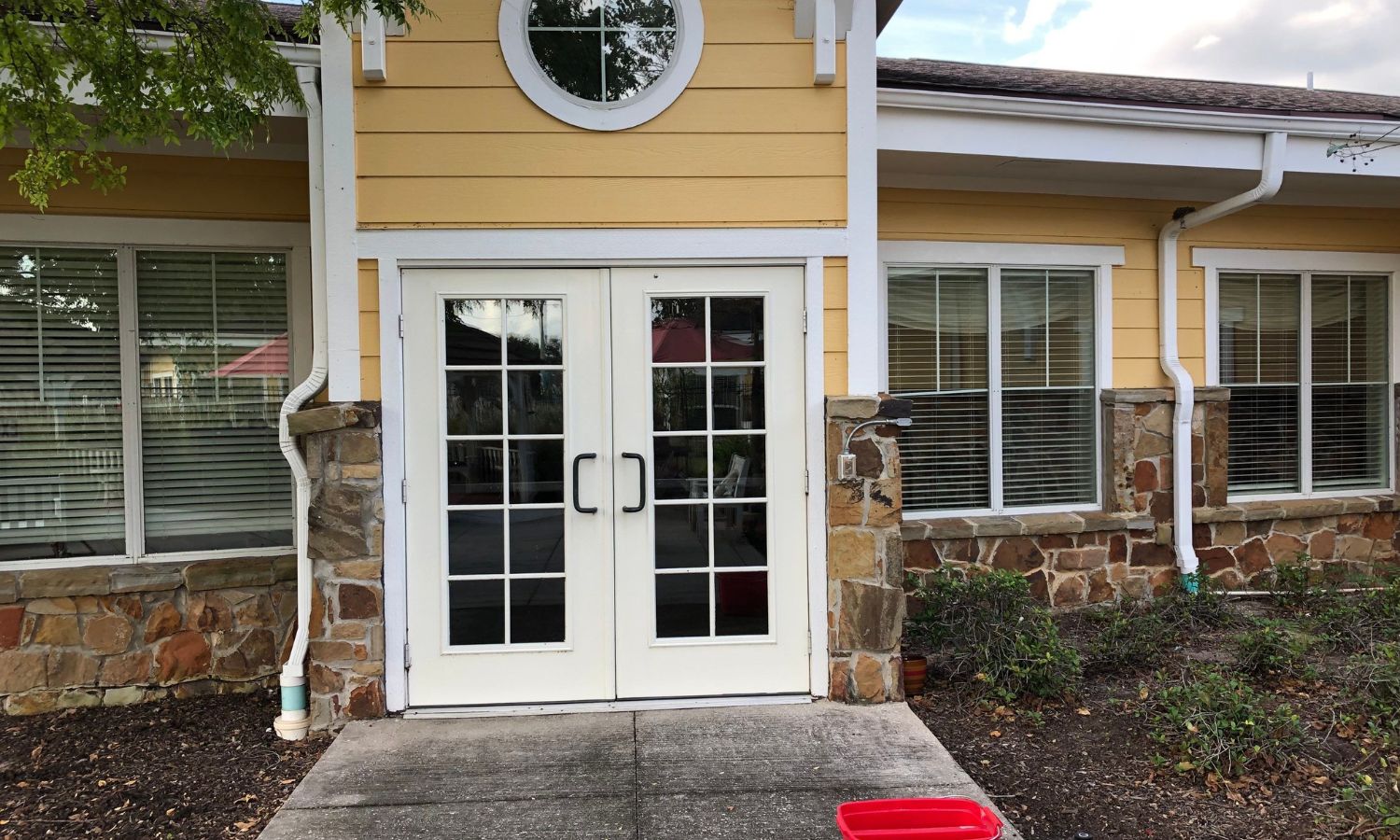
Planning to give your home a fresh look with a new coat of paint? You’re probably staring at your freshly washed siding and wondering: how long after pressure washing can you paint before it’s actually safe to start? It is tempting to grab the brushes the moment the water stops dripping, but your paint job is only as strong as the surface it’s sticking to. While using high-pressure water systems to blast away oxidation and grit is a total game-changer for prep, understanding power washing vs pressure washing and jumping the gun can turn a weekend DIY project into a peeling, bubbly mess. Success here isn’t just about the paint you choose; it is about having the patience to let your home’s exterior breathe before you seal it up.
At Klein Pressure Washing, we specialize in professional exterior surface washing that prepares your home for its next transformation. Our process uses water, soaps, and professional detergents to revitalize your siding, decks, and fences, and we also extend our expertise to religious building cleaning Spring TX and warehouse cleaning services Spring TX. However, once the washing is done, the clock starts on the drying phase. To avoid the frustration of a ruined paint job with paint for decks, you must understand the science of moisture and how it interacts with your building materials.
Drying time before exterior painting
The standard recommendation for how long after pressure washing can you paint is typically 24 to 48 hours. However, this is not a one-size-fits-all rule. Different materials absorb water at different rates, and their siding drying time can vary significantly based on their composition.
- Wood Siding and Decks: Wood is a highly porous material that acts like a sponge. It requires the longest wait time, often a full 48 to 72 hours, to ensure no moisture remains deep in the fibers.
- Vinyl Siding: Since vinyl is non-porous, the water usually only sits on the surface. A 24-hour window is usually sufficient, provided the weep holes in the siding have drained.
- Stucco and Masonry: These materials can trap water deep within their textured surfaces. Give stucco at least 48 hours of dry weather before applying any primer or paint.
Moisture testing before painting
Before you begin your exterior wall preparation, you should verify that the substrate is truly dry. Visual checks are often deceiving; a surface can look dry to the eye while still harboring trapped moisture problems just beneath the top layer.
One of the most reliable ways to check is by using a moisture meter. For most exterior paints, the moisture content of the wood should be below 15%. If you do not have a meter, a simple “patch test” can work. Tape a small square of clear plastic over a section of the wall and leave it for several hours. If condensation appears under the plastic, your surface is still too wet for paint. Taking these steps prevents paint adhesion issues that can arise from a rushed timeline.
Best weather for painting after washing
The environment plays a massive role in how quickly your home dries after a professional pressure wash before painting. Optimal conditions will accelerate the process, while poor weather can reset your timer entirely.
- Humidity: High humidity slows down evaporation. If the humidity is above 70%, your drying time may need to be doubled.
- Direct Sunlight: Surfaces in the sun will dry much faster than those in the shade. If one side of your house is perpetually shaded by trees, give it an extra day.
- Temperature: Warm air holds more moisture and aids in faster drying. Ideally, you want temperatures between 60°F and 85°F for the most efficient exterior wall preparation.
- Wind: A steady breeze acts as a natural dehydrator, pulling moisture out of porous materials more quickly.
Common painting mistakes after pressure washing
Many homeowners underestimate the power of trapped water. When you power wash before painting, you are forcing water into cracks and crevices. If you seal those areas with paint too soon, you create the perfect environment for peeling paint. Common mistakes include
- Painting over damp wood: This traps moisture, which eventually turns into vapor and pushes the paint away from the surface, causing bubbles.
- Ignoring the forecast: Painting right before a rainstorm can wash away uncured paint or trap new moisture under the film.
- Skipping the wash entirely: If you don’t use a professional pressure washing and painting prep strategy, you are essentially painting over a layer of dust and chalk, which will fail within a year.
Surface prep for exterior paint
Proper surface prep for exterior paint is about more than just a quick rinse. It is about creating a clean, “toothy” surface that allows the paint to bond at a molecular level. Professional washing removes the “chalking” that happens to old paint, as well as algae and mold that can grow under new layers. By hiring a professional company like Klein Pressure Washing, you ensure that the right detergents are used to kill organic growth. This is a vital part of preventative maintenance. Once the surface is washed and thoroughly dried, the paint can lie flat and adhere strongly, giving you a beautiful finish that lasts for a decade rather than just a few seasons.
FAQ
1. How long should surfaces dry before painting after pressure washing?
Most surfaces require at least 24 to 48 hours of dry weather to be ready for paint. For porous materials like wood or stucco, it is safer to wait a full 72 hours to ensure all moisture has evaporated from deep within the material.
2. Does pressure washing improve paint adhesion?
Yes, it is essential for adhesion. Professional surface washing removes dust, bird droppings, mold, and old, chalky paint residue, allowing the new coat of paint to bond directly to a clean, solid surface.
3. What factors affect drying time before painting?
The main factors are the material of the surface, local humidity levels, temperature, and sun exposure. High humidity and shade will extend the drying time, while warm, sunny, and breezy conditions will speed it up.
4. Can painting too soon cause peeling or bubbling?
Absolutely. If moisture is trapped behind a layer of paint, it will eventually try to escape as water vapor. This pressure causes the paint to lift, resulting in unsightly bubbles and premature peeling.
5. Is pressure washing required before exterior painting?
Yes, it is highly recommended by professional painters. Without a proper wash, you are applying expensive paint over dirt and contaminants, which almost guarantees the paint will crack and peel in a short amount of time.
Conclusion
Repainting your home is a major investment, and the success of that investment depends on how well you prepare the surface. While the washing process is fast and efficient, the drying phase requires patience. By respecting the necessary “how long after pressure washing can you paint” guidelines, you protect your home from moisture damage and ensure your new color looks stunning for years to come.
When you are ready to start your project, trust the experts at Klein Pressure Washing to handle the hard work. We provide professional exterior washing that sets the stage for a perfect paint job. Our team uses professional-grade equipment and effective detergents to ensure your home is ready for its new look. Contact us today to schedule your service and ensure your home receives the professional preparation it deserves. How long after pressure washing can you paint?
Read Similar: Who Needs Pressure Washing Services?
Share this Post