Call 24 Hrs | Live Agents
(281) 990-3043
What Is Soft Washing a Roof?
By admin | Last Updated: February 27, 2026
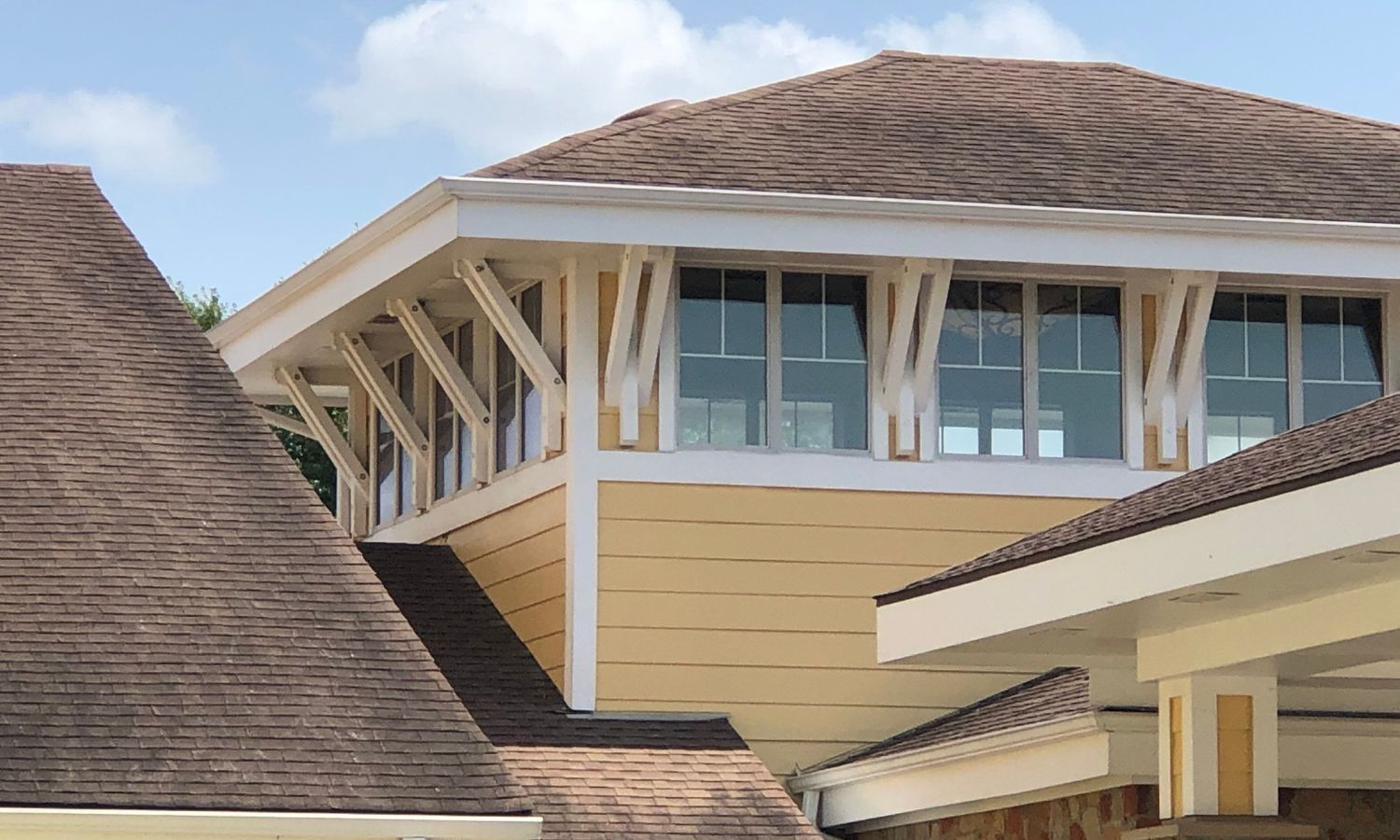
Understanding what soft washing a roof is is essential for any homeowner looking to preserve the structural integrity and appearance of their property. Unlike traditional cleaning methods that rely on brute force, soft washing is a specialized technique that uses a combination of high-volume, low-pressure water and specific cleaning solutions to sanitize surfaces. This process is the industry standard for roof maintenance because it addresses the root cause of staining, organic growth, without causing the mechanical damage often associated with high-velocity water. This approach is widely trusted for services like Roof Washing in Spring Tx and Roof Washing in Tomball Tx.
At Klein Pressure Washing, we prioritize the safety of your home. A roof is one of the most expensive components of a house, and maintaining it requires a delicate touch. By choosing a professional soft wash roof cleaning, you are opting for a method that eliminates invasive organisms while keeping your manufacturer’s warranty intact.
How soft washing a roof works
The process of soft washing is more akin to pest control than it is to traditional power washing. Instead of blasting dirt away, the focus is on roof algae removal and the elimination of lichen and moss through chemical action.
The technician applies a specialized mixture of biodegradable cleaning solutions to the roof surface using a pump system that produces pressure comparable to a garden hose. This solution contains surfactants that help the mixture cling to the shingles, allowing it to penetrate the deep pores of the roofing material. Once the solution has dwelled for the appropriate amount of time, it is rinsed away, leaving the roof sanitized and clean. This ensures that the spores responsible for black streak prevention are completely neutralized. In some cases, professionals may also use a driveway pre treatment solution for other exterior surfaces, but roof applications always require a formulation specifically designed for shingles.
Soft washing vs. pressure washing roofs
There is a massive technical difference between these two methods. Traditional roof pressure washing uses mechanical force to “scrape” the surface clean. While this might provide an immediate visual change, it often causes irreparable harm.
- Pressure Washing: Uses 2,000 to 4,000 PSI, which can strip the protective granules off shingles, break tiles, and force water under the underlayment.
- Soft Washing: Operates at less than 100 PSI, relying on chemistry to do the work. This method is much more effective at roof moss removal because it kills the roots rather than just shearing off the tops.
Professional contractors almost exclusively use soft washing for residential roofs because it provides a more uniform clean without the risk of creating leaks or shortening the shingle lifespan.
Is soft washing safe for shingles?
If you are concerned about whether this method is safe, the answer is a resounding yes. In fact, most major roofing manufacturers, including GAF and Owens Corning, specifically recommend low-pressure roof cleaning as the only safe way to clean asphalt shingles.
High-pressure water is the enemy of asphalt shingles. Shingles are coated with ceramic granules that reflect UV rays and protect the underlying bitumen. If these granules are blasted off, the roof will age prematurely and lose its fire-resistance rating. Soft washing protects these granules, ensuring the roof continues to function as intended. Furthermore, by removing the dark patches of algae, the roof becomes more reflective again, which can help lower your cooling costs during hot summer months.
Chemicals used in soft roof washing
The efficacy of soft wash roof cleaning lies in the chemistry. Professionals use a precise blend of biodegradable cleaning solutions tailored to the specific type of growth present in your home.
- Sodium Hypochlorite: This is the primary active ingredient used to kill algae, mold, and mildew. It is diluted to a safe level that sanitizes without damaging the substrate.
- Surfactants: These are “soaps” that allow the mixture to stick to the steep slopes of a roof, ensuring the chemicals have enough time to work.
- Neutralizers: Often applied after the wash to ensure any runoff is rendered inert, protecting your landscaping and pets.
How long does soft washing last?
One of the biggest advantages of soft washing over roof pressure washing is the longevity of the results. Because soft washing kills the organic growth at the root, the roof stays clean for significantly longer.
On average, a soft-washed roof will stay free of visible algae and moss for 2 to 5 years, depending on the surrounding environment and the amount of shade the roof receives. Because the surface is fully sanitized, the spores have to start the colonization process from scratch, which takes much longer than the regrowth that occurs after a simple high-pressure rinse. Regular roof maintenance through soft washing is a proactive way to ensure your home remains the best-looking house on the block.
FAQ Section
1. What does soft washing a roof mean?
It is a cleaning method that uses low-pressure water combined with specialized detergents to kill algae, moss, and lichen on roofing surfaces safely.
2. How does soft washing protect roofing materials?
By using low pressure, it avoids stripping granules from shingles or cracking tiles, while the chemicals eliminate the organisms that feed on the roofing materials.
3. Is soft washing better than pressure washing for roofs?
Yes. Pressure washing is destructive to roofs and often voids warranties, whereas soft washing is the manufacturer-approved method for safe cleaning.
4. What types of roofs require soft washing?
Asphalt shingles, clay tiles, slate, and cedar shakes all require soft washing to prevent structural damage during the cleaning process.
5. How long do soft washing results last on a roof?
Results typically last between 2 and 5 years, which is much longer than traditional pressure washing because the biological growth is completely neutralized.
Conclusion
Mastering the health of your home starts from the top down. Professional roof maintenance is not just an aesthetic choice; it is a financial one. By prioritizing low-pressure roof cleaning, you effectively extend your shingle lifespan and prevent the structural decay caused by moss and lichen. This method is the most efficient way to achieve roof algae removal while ensuring your property is protected from the damaging effects of high-velocity water. For a home that stays cleaner longer, soft washing is the only viable solution.
If you are ready to restore your roof’s original color and protect your investment, contact us today for a professional evaluation. Our team has the equipment and expertise to handle your soft wash roof cleaning with the care your home deserves. Now that you understand what soft washing a roof is, you can take the right steps to safeguard your property.
Read Similar: What Are the Signs That My Roof Needs Washing?
Share this Post






