Call 24 Hrs | Live Agents
(281) 990-3043


Can Pressure Washing Damage Windows?
By admin | Last Updated: February 27, 2026
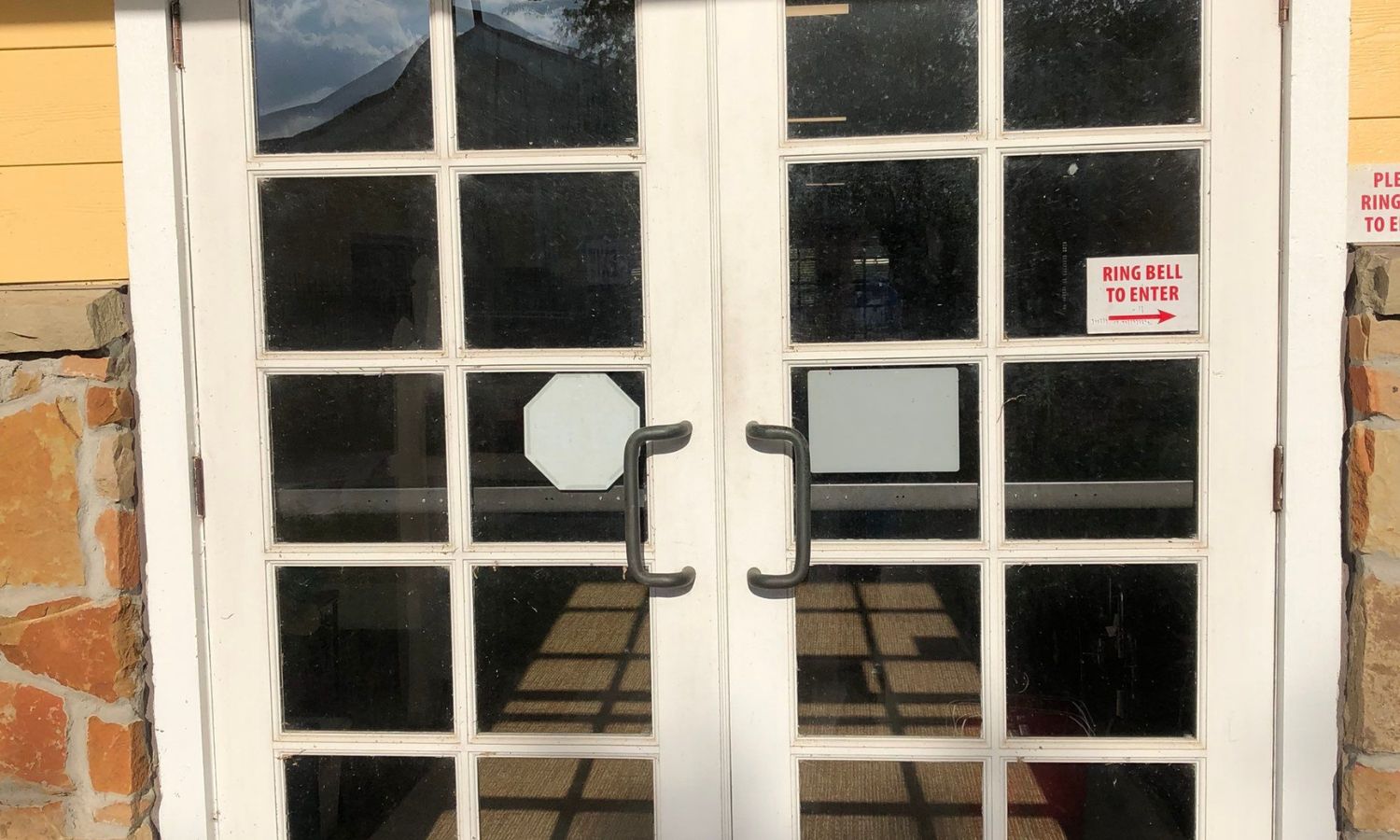
Homeowners often ask if pressure washing can damage windows when they are planning to wash their siding or brickwork. It is a valid concern because while a high-powered stream of water is effective for concrete, it can be devastating to glass and delicate frames if handled incorrectly.
Maintaining the exterior of your home requires a balance between power and precision. At Klein Pressure Washing, we specialize in exterior surface washing that protects your home’s most vulnerable points while removing stubborn buildup, including services like apartment pressure washing Spring TX, strip mall pressure washing Spring TX.
Understanding the risks and the proper techniques is the best way to wash windows outside without causing expensive structural issues. Here is what you need to know about keeping your glass safe during a professional wash.
Risks of pressure washing windows
When you decide to power wash windows, you are not just dealing with glass. You are dealing with a complex system of seals, caulking, and framing. Using excessive force leads to several immediate and long-term problems. The most obvious risk is physical breakage. High-pressure water can crack older glass or shatter panes that already have small, hidden flaws. Many homeowners who attempt DIY pressure washing after searching for my window washing services do not realize how delicate glass can be under intense pressure. However, the more common danger is the force of the water stripping away the vital components that keep your home airtight. Strong pressure can loosen seals, damage caulking, and force water into areas where it does not belong, leading to drafts, moisture problems, and costly repairs.
- Seal Failure: High-velocity water can blast through the rubber or silicone seals.
- Frame Damage: Intense pressure can dent vinyl frames or wood trim.
- Water Intrusion: Water can be forced behind the window casing, leading to mold growth inside your walls.
- Etching: Professional detergents used at the wrong concentration or pressure can leave permanent marks on the glass surface.
Safe PSI for window cleaning
When people ask, “Can you pressure wash windows?” the answer depends entirely on the PSI (pounds per square inch). For hard surfaces like driveways, 3,000 PSI might be standard, but that same force will ruin a window instantly.
For washing around windows and glass surfaces, the pressure should generally stay below 500 to 1,000 PSI. This lower range allows the professional detergents to do the heavy lifting rather than relying on raw mechanical force.
Professional exterior washing technicians use specialized nozzles to widen the spray pattern. A wider “fan” tip disperses the energy of the water, making it much safer for glass than a narrow, pinpoint stream.
How to protect windows during pressure washing
Preparation is the key to a successful exterior wash. Before the water starts flowing, certain steps must be taken to ensure the glass and frames remain intact.
First, always inspect the windows for existing cracks or loose glazing. If the structure is already compromised, even a light wash can cause further damage.
- Check the Seals: Ensure all windows are fully closed and locked to create the tightest possible seal.
- Avoid Direct Hits: Never spray water directly into the gaps between the window and the frame.
- Angle Matters: Professionals wash at a downward angle to prevent water from being forced upward under the laps of the siding or the window’s weep holes.
- Pre-Soak Surrounding Areas: Wetting down the frames and surrounding plants helps prevent concentrated detergents from drying on the surfaces and causing streaks.
Signs of window seal damage
It is not always obvious right away that a power wash cleaning was too aggressive. Sometimes, the damage takes a few days or weeks to manifest. One of the most common signs is fogging or condensation trapped between the double panes of glass.
If the seal is broken, the insulating gas (like argon) escapes, and moisture moves in. Other signs include:
- Water Spots on the Interior: Finding puddles on your windowsill after an exterior wash is a clear sign the pressure was too high.
- Visible Gaps: If you see bits of rubber or caulking hanging loose after the wash, the integrity of the window has been compromised.
- Audible Drafts: If you suddenly hear the wind whistling through a window that used to be silent, the seal has likely been breached.
Soft washing vs. pressure washing windows
The best way to wash windows and the surrounding siding is often not high pressure at all, but rather soft washing.
While standard pressure washing relies on high-pressure water to blast away grime, soft washing uses a low-pressure delivery system combined with professional-grade soaps and detergents. This method is much safer for delicate surfaces.
Soft washing is the preferred method for:
- Stucco and dry-vit exteriors.
- Residential windows and screens.
- Wood siding and painted trim.
By using soft washing techniques, we can achieve a deeper wash that kills organic growth like algae and mold at the root without risking the structural damage associated with high-PSI equipment.
FAQ
1. Can pressure washing break or crack windows?
Yes, high-pressure water can easily crack or shatter glass, especially if the window is older or has a pre-existing chip. Even if the glass does not break, the force can dislodge the pane from the frame or blow out the window’s thermal seal.
2. What PSI is safe for washing around windows?
Generally, a PSI of 500 to 1,000 is considered the safe limit for washing near windows. Professional washers rely on soft washing techniques that use high-volume, low-pressure water combined with detergents to ensure a safe and effective result.
3. How can windows be protected during pressure washing?
Windows are protected by ensuring they are tightly locked, inspecting for seal integrity beforehand, and using wide-angle nozzles. Professionals also avoid spraying directly into the seals or at an upward angle that could force water behind the window’s flashing.
4. Are older windows more vulnerable to pressure washing?
Older windows often have brittle glazing, weakened seals, and single-pane glass that cannot withstand the same forces as modern, double-pane vinyl windows. Extra care and lower pressure are mandatory for historic or aging homes.
5. Should professionals handle window-adjacent pressure washing?
Yes, hiring a professional ensures that the correct equipment and PSI settings are used. Experts know how to distinguish between surfaces that require high pressure and those, like windows, that require a delicate soft wash approach to prevent property damage.
Conclusion
The answer to “Can pressure washing damage windows?” is a definitive yes if the person behind the wand does not have the proper training. High pressure can lead to shattered glass, ruined seals, and internal water damage that costs thousands to repair. When you use the right PSI and the correct washing agents, your home’s exterior can look brand new without any risk to your windows.
At Klein Pressure Washing, we prioritize the safety of your home’s exterior surfaces. We understand the science of soaps and the mechanics of water pressure, ensuring that your glass, frames, and siding are treated with the appropriate level of care.
Do not risk the integrity of your home with DIY mistakes. If you are ready for a professional, safe exterior wash, Contact us today for a consultation. Let our experts provide the peace of mind you deserve while ensuring you never have to worry if pressure washing can damage windows.
Read Similar: How Long Does Pressure Washing Take?
Share this Post